November 2, 2026
Proper drainage is essential for protecting a home's foundation, siding, roofline, and landscaping from water damage. Without an effective gutter system, rainwater can collect around the property, contribute to soil erosion, and create moisture problems. Working with a professional gutter contractor helps homeowners understand residential drainage standards and maintain systems that manage runoff effectively.
Understanding Residential Drainage Standards
Residential drainage standards provide guidelines for directing rainwater away from homes and reducing moisture-related damage. These guidelines address several factors, including gutter capacity, downspout placement, drainage slope, and water discharge locations.
Requirements can vary depending on local building codes, property conditions, and construction specifications. Homeowners should understand that national recommendations do not automatically represent mandatory requirements in every community.
A properly designed gutter system collects rainwater from the roof and moves it toward designated discharge areas. This process helps prevent water from accumulating near foundations, walkways, and other vulnerable locations.
Professional assessments consider roof dimensions, rainfall patterns, and existing drainage conditions. These factors influence the system's ability to handle runoff during heavy storms.
Evaluating Existing Gutter Conditions
Before recommending improvements, a gutter contractor examines the existing drainage system to identify potential problems. This evaluation helps determine whether the gutters can handle expected rainfall or require repairs, adjustments, or replacement.
Common warning signs include:
- Sagging gutters: Loose supports or damaged sections can prevent water from flowing toward downspouts.
- Standing water: Improper gutter alignment may cause water to accumulate instead of draining.
- Visible leaks: Cracks, holes, and damaged connections can allow water to escape near the home's exterior.
- Overflowing gutters: Blockages or insufficient capacity may cause rainwater to spill over the edges.
- Foundation pooling: Water collecting near the house may indicate inadequate downspout placement or discharge.
Identifying these issues early helps homeowners address drainage weaknesses before they contribute to more extensive property damage.
The evaluation also provides useful information about whether individual components need attention or the entire system requires improvement.
Selecting Appropriate Gutter Sizes
Gutter capacity plays an important role in residential drainage performance. Gutters that are too small may overflow during heavy rainfall, even when they remain clean and properly aligned.
Selecting the correct size requires consideration of the roof's surface area, slope, and expected rainfall intensity. Larger roof sections and steep pitches can direct substantial amounts of water into a relatively small gutter area.
Residential gutter installations commonly use five-inch or six-inch systems, although appropriate dimensions depend on the building's drainage requirements.
Professional installers assess these characteristics before recommending suitable materials and configurations. Aluminum and seamless gutters are common options because they offer durability and reliable water management when installed correctly.
Seamless construction also reduces the number of joints where leaks could develop. However, appropriate sizing, secure installation, and regular maintenance remain necessary regardless of the gutter material.
Positioning Downspouts for Effective Drainage
Downspouts carry collected rainwater from the gutters toward the ground or an approved drainage outlet. Their placement directly affects how efficiently the entire system manages runoff.
According to the US Department of Energy's Building America Solution Center, downspouts must be installed every 20 to 50 feet along the gutter.
This published installation guidance provides a useful reference for residential drainage planning. However, actual placement must also account for roof size, gutter capacity, rainfall intensity, and applicable local requirements.
A gutter contractor evaluates these conditions when determining how many downspouts a property needs and where they should be positioned.
Insufficient downspout capacity can cause gutters to overflow during storms. Poor placement may also concentrate excessive runoff in areas where water could damage landscaping or accumulate near the foundation.
Correct positioning helps distribute drainage more effectively and reduces unnecessary pressure on individual gutter sections.
Directing Rainwater Away From Foundations
Collecting rainwater is only part of an effective drainage strategy. The system must also discharge that water in a location that does not threaten the home's structural components.
Water released directly beside the foundation can saturate surrounding soil. Over time, persistent moisture may contribute to erosion, foundation movement, and water intrusion.
Downspout extensions and splash blocks help move water farther from the building while reducing concentrated runoff near discharge locations.
Underground drainage connections may also be appropriate when surface drainage options are limited. These systems transport collected water toward suitable outlets, subject to local drainage requirements.
Professional installation considers several important factors:
- The distance between downspout outlets and the foundation
- The direction of the surrounding ground slope
- Potential erosion around discharge locations
- Existing landscaping and drainage obstacles
These considerations help establish discharge arrangements that protect vulnerable areas without directing runoff onto neighboring properties.
Maintaining Proper Gutter Alignment
Gutter slope influences how efficiently rainwater travels toward downspouts. When gutters are installed without sufficient pitch, water may remain inside the system after rainfall.
Standing water increases the weight placed on gutter supports and can contribute to deterioration, debris accumulation, and premature damage.
Excessive slope can also create installation challenges or affect the gutter system's appearance.
Professional gutter alignment involves evaluating the existing pitch, adjusting supports, and positioning sections to encourage consistent water movement.
A properly aligned system should allow rainwater to reach downspouts without significant pooling or uncontrolled overflow.
Homeowners may notice alignment problems when water remains inside gutters long after a storm or when individual sections appear uneven.
Addressing these conditions helps restore drainage performance without necessarily replacing the entire system.
Preventing Blockages Through Regular Maintenance
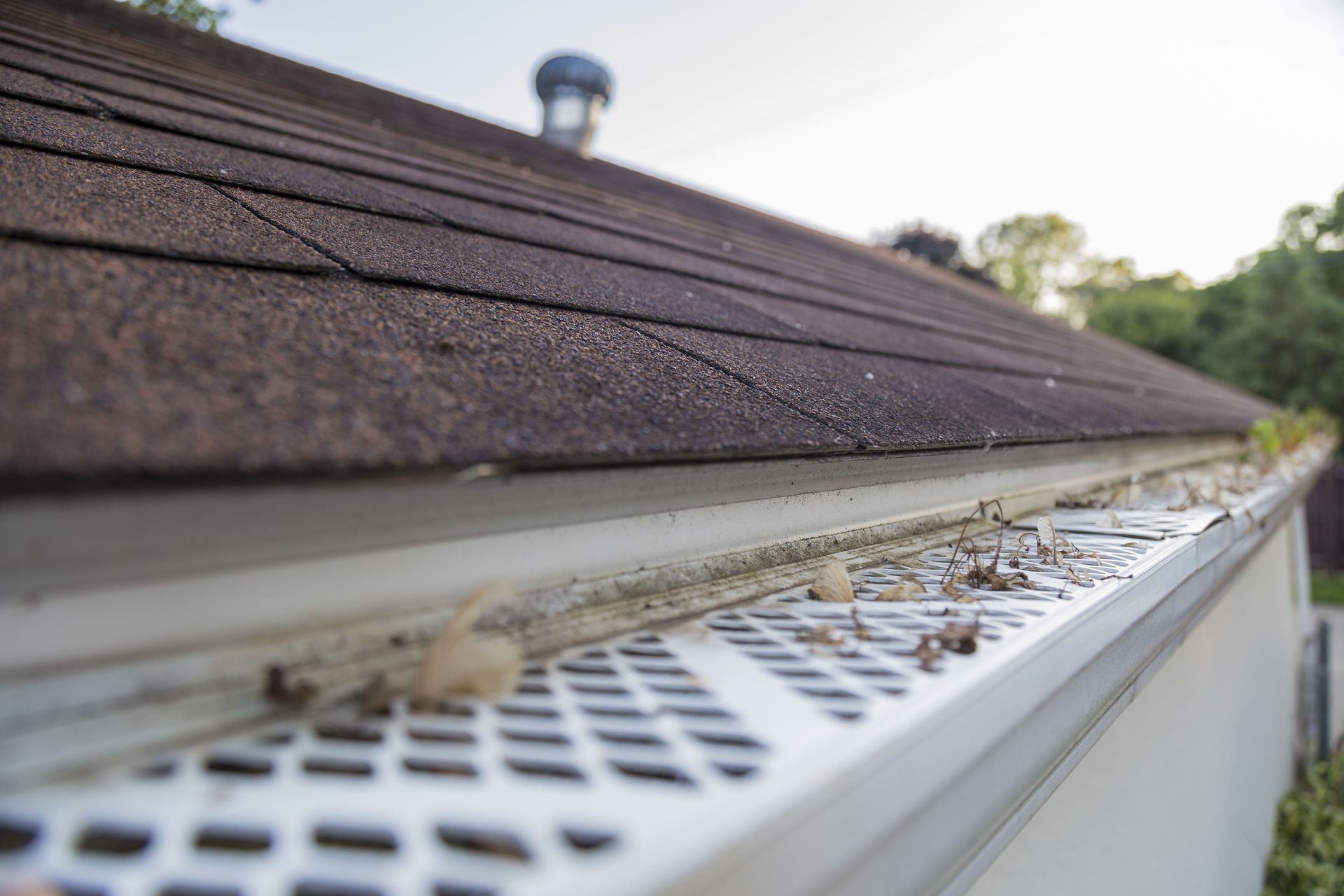
Even well-designed drainage systems require ongoing maintenance. Leaves, branches, roofing debris, and other materials can accumulate inside gutters and restrict water movement.
When blockages develop, rainwater may overflow near roof edges rather than traveling through downspouts.
A gutter contractor can help address these problems through cleaning, repairs, and gutter protection options.
Regular maintenance generally includes removing accumulated debris, checking downspout openings, and examining visible components for damage.
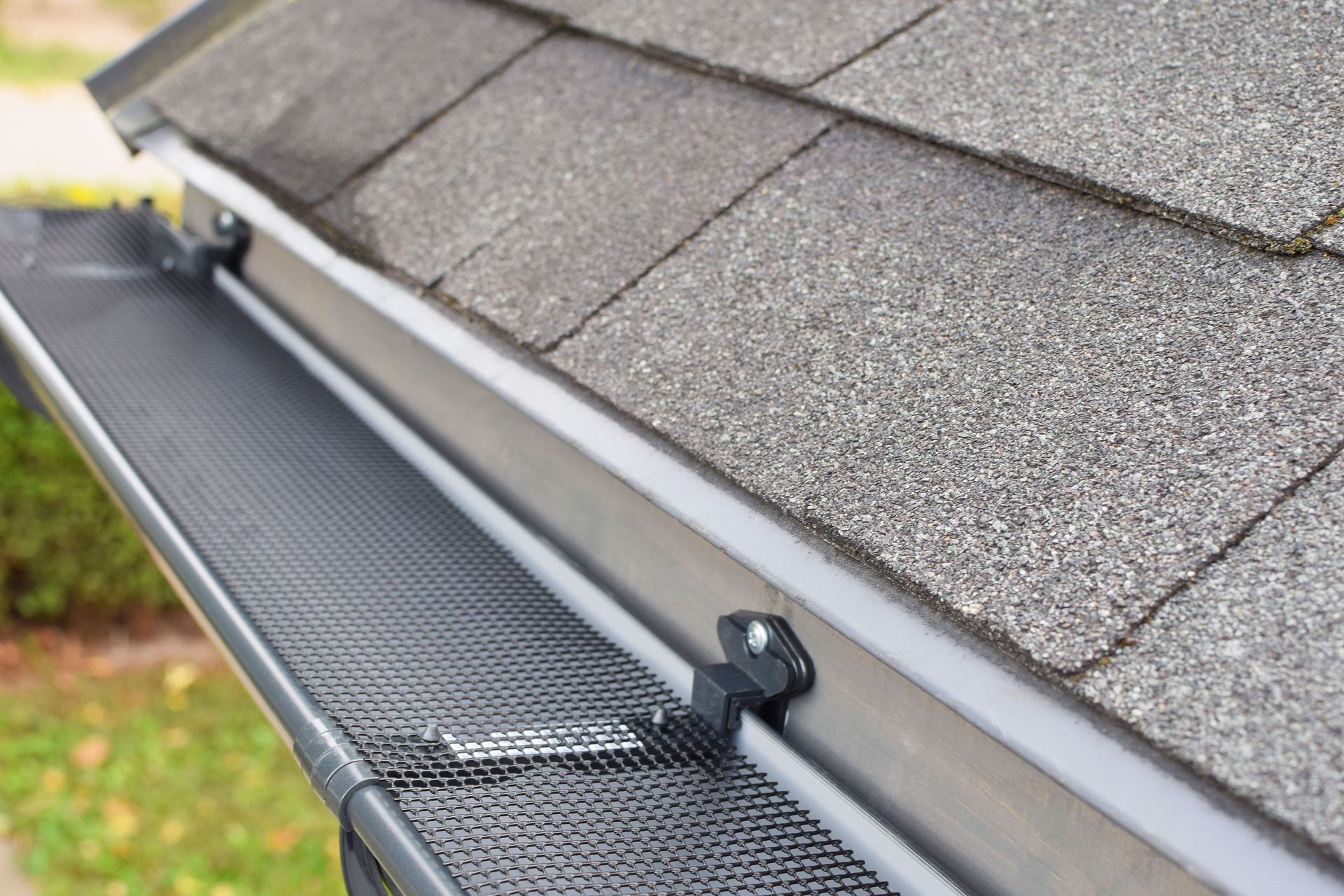
Gutter guards can reduce the amount of leaves and debris entering the system. However, they do not eliminate the need for occasional inspections or cleaning.
Maintenance frequency depends on surrounding vegetation, seasonal weather patterns, and the condition of the drainage system.
Homes located near large trees may require more frequent attention, particularly during periods of heavy leaf accumulation.
Supporting Long-Term Residential Drainage Performance
Meeting residential drainage expectations requires more than installing gutters along the roofline. Effective systems depend on suitable dimensions, secure connections, appropriate downspout placement, and consistent maintenance.
Professional evaluations help homeowners identify existing weaknesses and determine which improvements are necessary. Local building requirements should also be considered when planning installations or major modifications.
Taking a proactive approach to drainage can reduce the likelihood of foundation moisture problems, exterior deterioration, and preventable landscape erosion.
Seasonal inspections also help homeowners recognize drainage problems that may develop gradually. Heavy rainfall, strong winds, and temperature changes can affect gutter stability and overall performance. Checking for loose fasteners, separated joints, and signs of water damage provides valuable insight into the system's condition. Homeowners should also observe how rainwater moves around their property during storms. Areas where water repeatedly collects may indicate that adjustments are necessary. Addressing these concerns promptly supports consistent drainage performance and helps protect exterior surfaces. Routine assessments can also extend the useful lifespan of existing gutters by identifying minor issues before they worsen.
For professional gutter installation, maintenance, repairs, and drainage improvements in Central Arkansas, contact Szabad Brothers Seamless Gutters today to schedule an on-site estimate.